Photography Fun With Your Child: delight together in what's around you
By Elle from Ellen June Photography
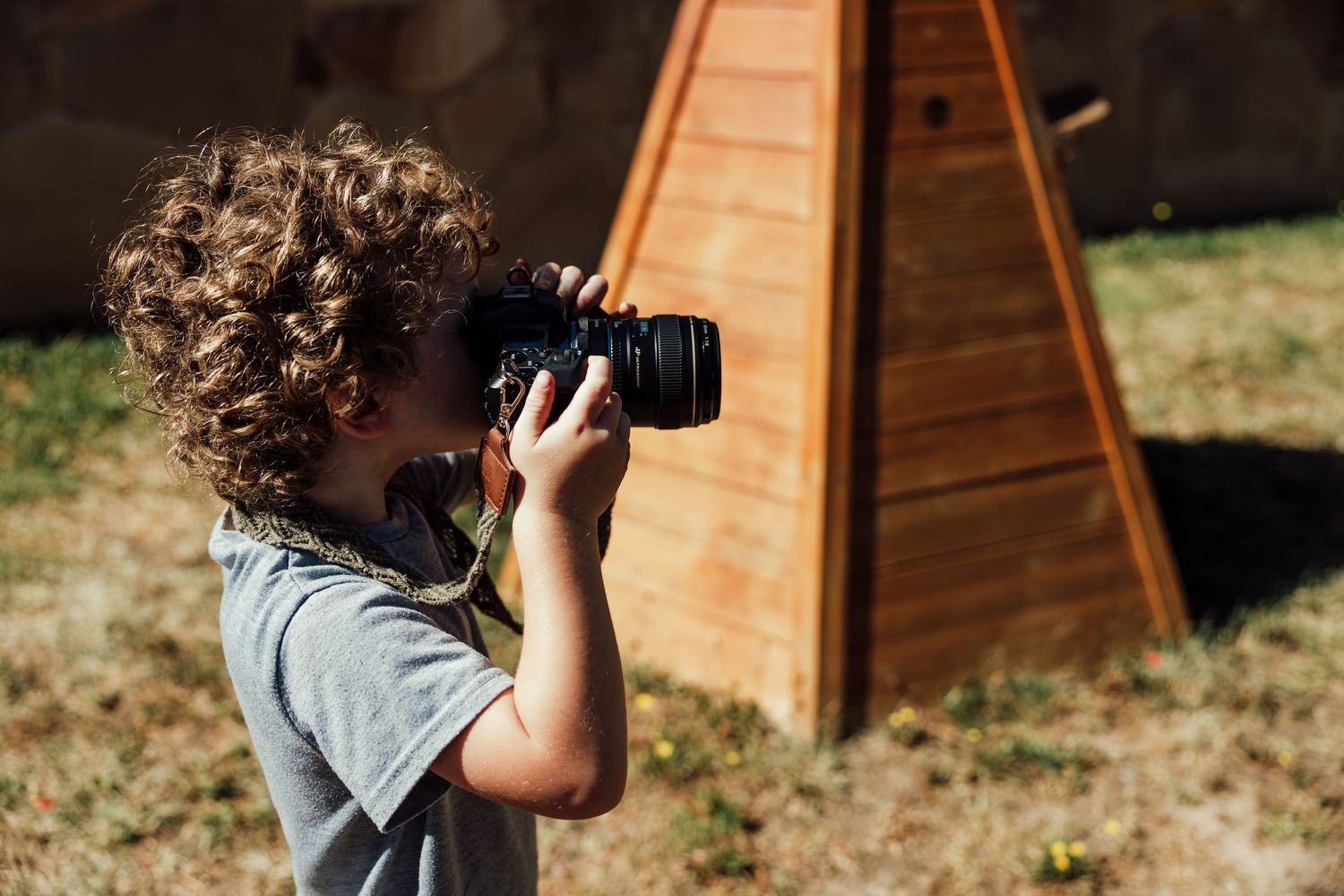
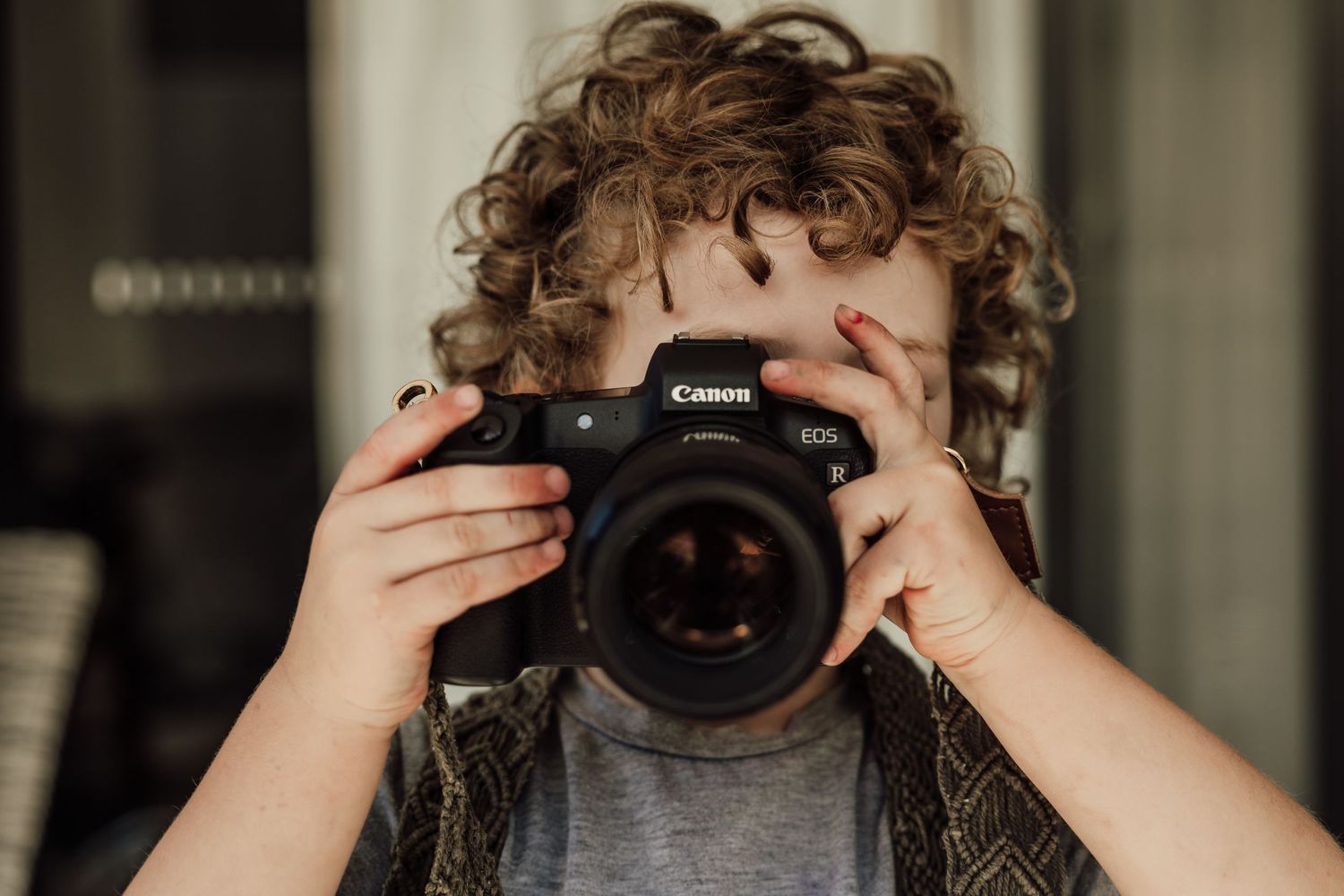
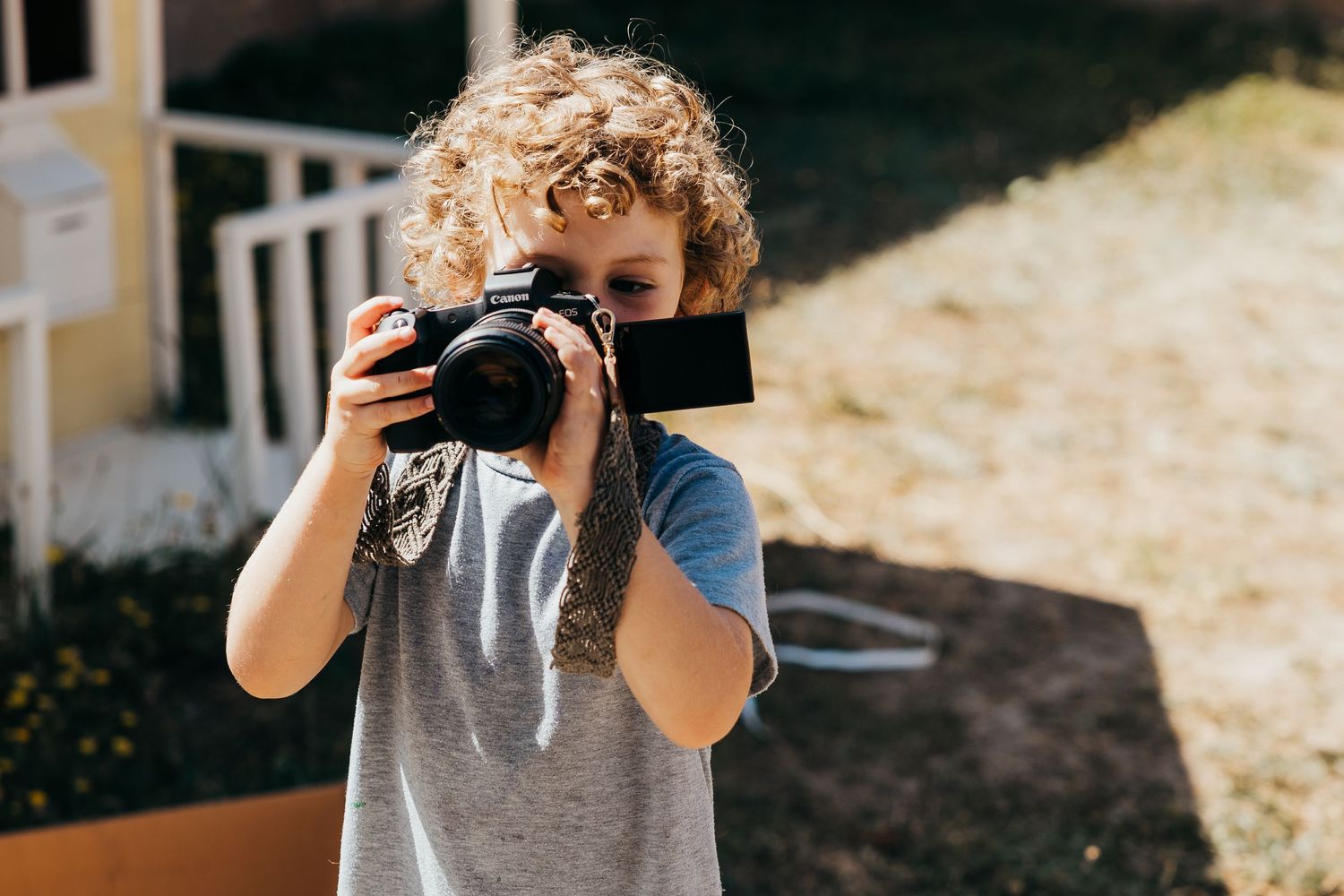
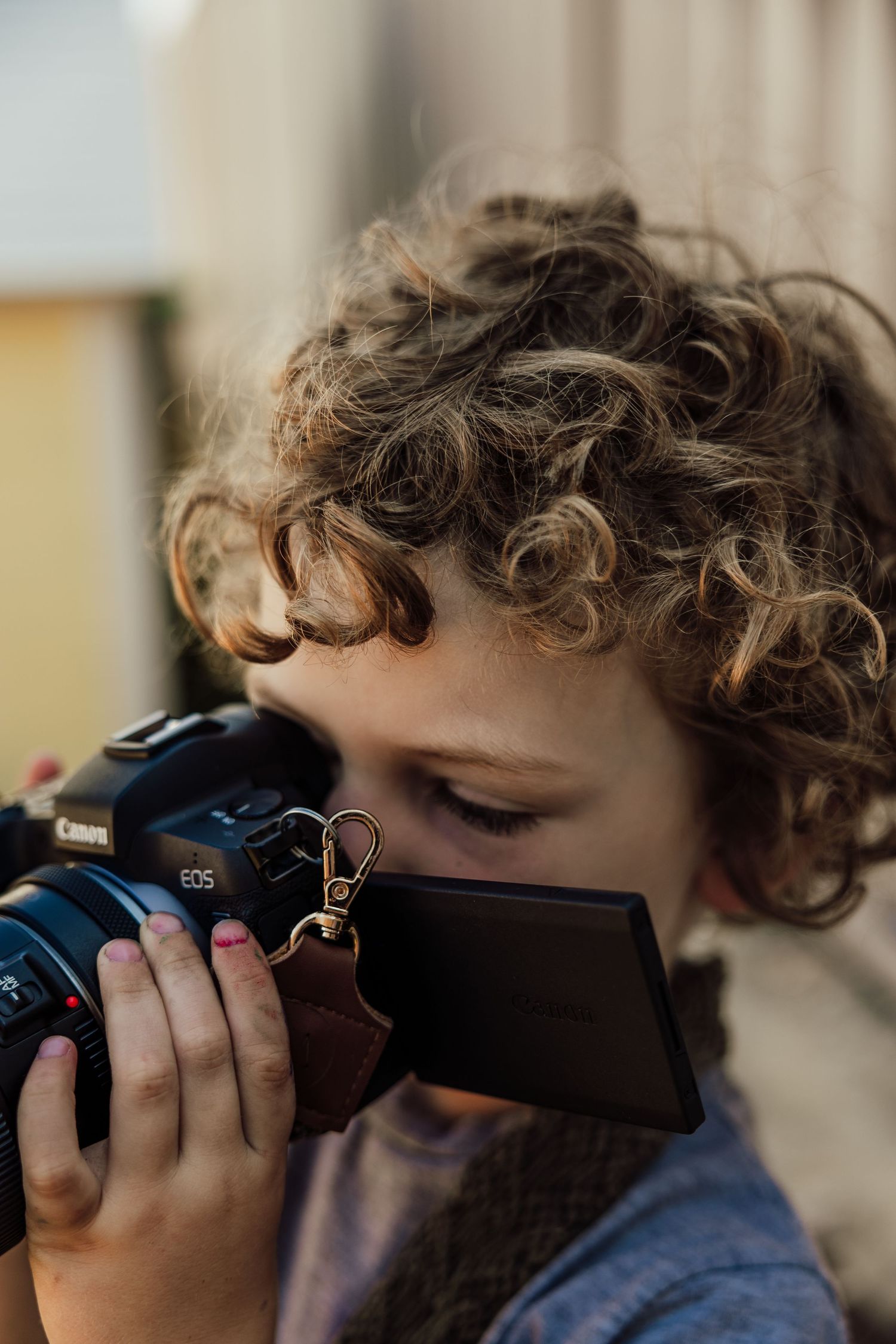
Photo credit: Ellen June Photography, and L, age 4.
If you’re looking for a fun and educational holiday activity to do with your child, here’s some ideas to get you started. Photography is more than just snapping pictures – it's about capturing moments, exploring creativity, and delighting in the beauty in the world around us. Whether you have a mirrorless or DSLR, a smartphone, or a point-and-shoot camera, these tips will help you both get creative and excited about photography.
1. Start with the Basics: Understanding the Camera
Before diving into the world of composition and lighting, it's important for your child to understand the basics of the camera they’ll be using. Here’s a simple way to explain:
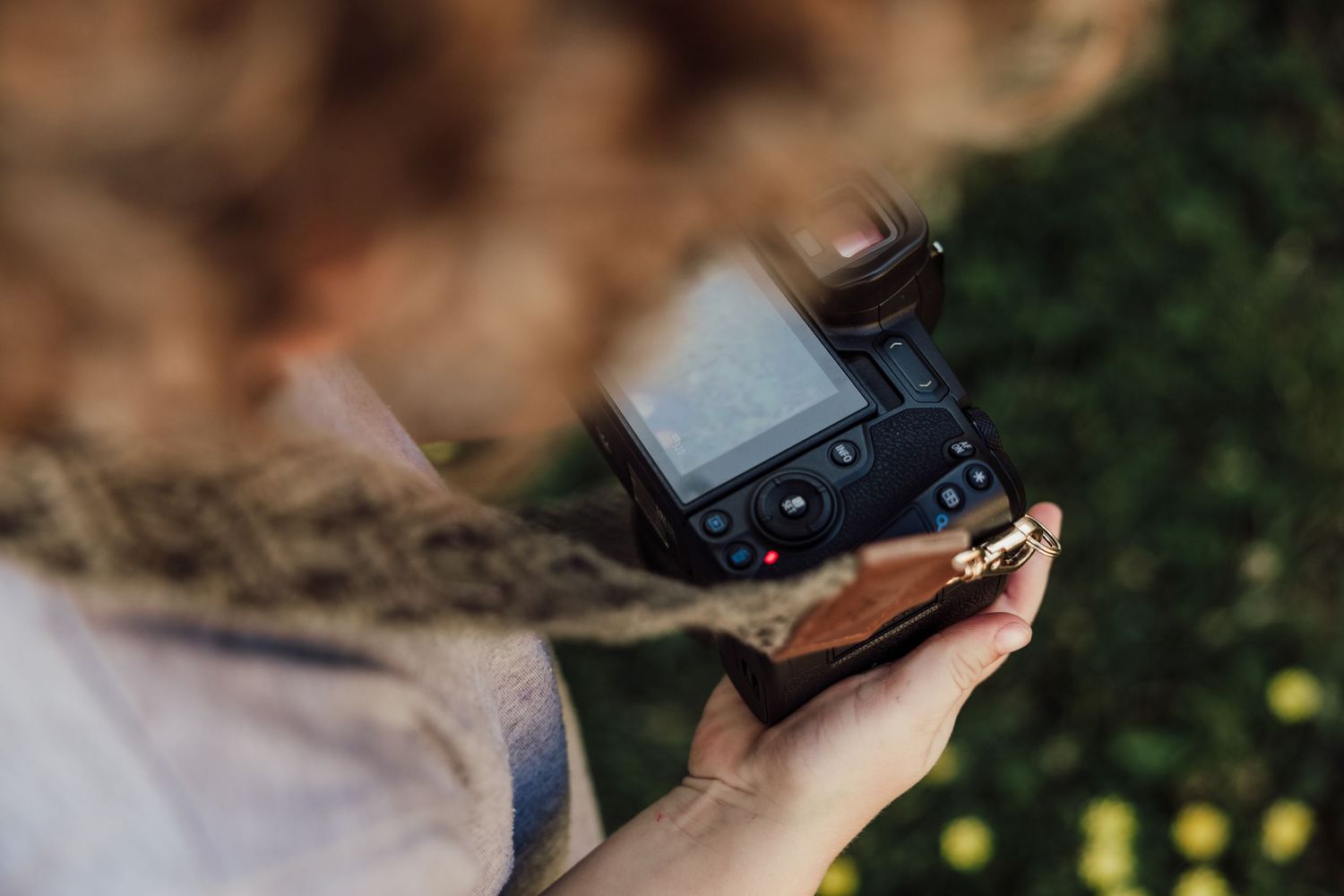
- Explain the Main Parts: Show them the basic buttons and functions. Whether it’s a camera or a smartphone, help them get familiar with the shutter button, the screen, and how to zoom in and out.
- Discuss the Concept of Framing: Explain that when they look through the viewfinder or at the screen, they are choosing what will be in the picture. It's like picking a frame for a painting!
2. Play with Different Angles
One of the most fun ways to start learning photography is to explore different angles. Encourage your child to get creative by taking photos from new and exciting perspectives.
High and Low Shots: Challenge them to shoot from above (bird’s-eye view) or down low (worm’s-eye view). The contrast in perspective will give their photos a unique twist, and you can make a game of it as you walk around the National Gallery sculpture garden at Lake Burley Griffin, shouting "worm view!" or "bird's eye view" and watch as they quickly crouch or stand tall. Bonus points for this location in summer as the mist through the garden is a lovely way to cool down.
Try Close-Ups: Have them take close-up photos of everyday objects, like a leaf or a toy. This teaches them about focusing on details, and helps them develop an eye for capturing special moments.
Wide Shots: Let them step back and take in the whole scene. For example, they can take photos of a wide open landscape. The National Arboretum has some great spots for this, such as Dairy Farmer's Hill. It will help them understand how to capture the bigger picture.
3. Learn the Rule of Thirds – But Keep it Fun!
Introduce your child to the "Rule of Thirds," a photography technique where the image is divided into nine equal parts by two horizontal and two vertical lines. You place the subject along these lines or where they intersect to create a more balanced and dynamic image.
To make this lesson engaging:
Use a Grid: Most cameras and phones have a grid feature that can help visualize the rule of thirds. Turn it on and let your child see how the image changes as they move the subject along the lines.
- Practice with Simple Subjects: Start by photographing objects like a toy, a pet, or even a favourite snack. Have your child move the object around to see how the composition changes.
4. Experiment with Light
Light is one of the most important elements in photography. Teach your child how light can change the look and feel of a picture:
Natural Light is Your Friend: Show them how different lighting can affect the picture, such as bright sunlight creating shadows or the soft light during a sunset making everything look warm and golden.
Shadows and Reflections: Encourage your child to take photos of how shadows fall on objects or how they can capture reflections in water, windows, or even puddles. It’s a fun and creative way to experiment with lighting. Ask them what ideas they have to further explore light and shadow.
5. Photo Scavenger Hunt
One of my favourite ways to spark a child’s imagination is to give them a challenge. Create a photography scavenger hunt to keep things exciting. Best done with a few children so they can play in pairs.
Make a List of Themes: Write down a list of fun themes or subjects that they need to photograph. For example: a red object, something round, a funny face, a shadow, or something that makes them happy.
Use Nature or Home: Depending on where you are, explore nature or take the hunt indoors. You can photograph animals, trees, or a favourite toy – whatever sparks their interest.
Go Digital or Print: If you’re using a phone or tablet, they can review their images instantly. If you’re using a traditional camera, it’s fun to print out their pictures afterward and create a little photo album together.
6. Capture Family Memories and Tell Stories
One of the most beautiful aspects of photography is its ability to tell stories. Have fun with this by encouraging your child to capture moments from your day.
Create a Photo Journal: Let your child take pictures of what’s going on throughout the day – their favourite breakfast, their toys, or even a picture of you and them together. Later, you can sit down and create a little photo storybook together, which is a fun way to reflect on the day.
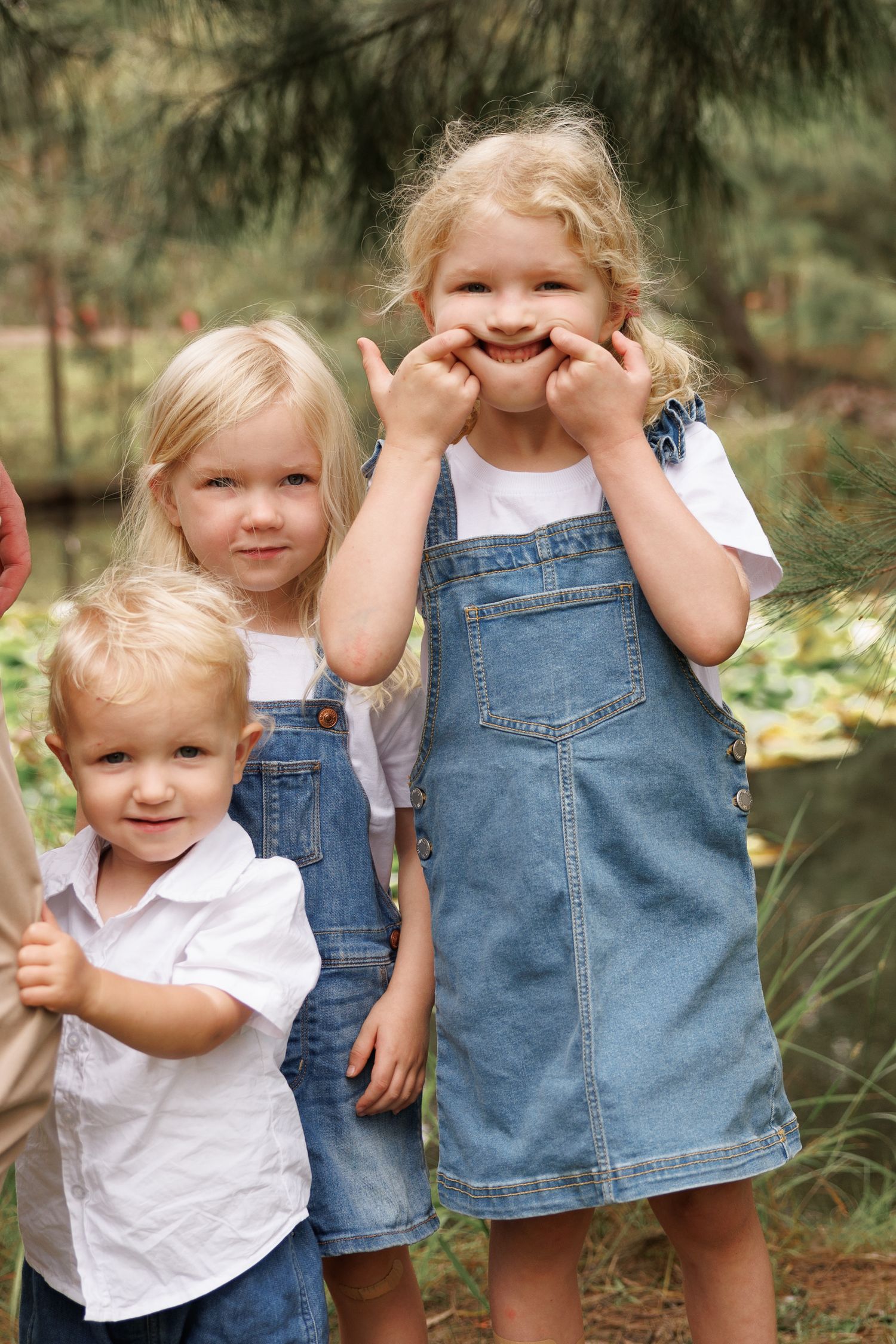
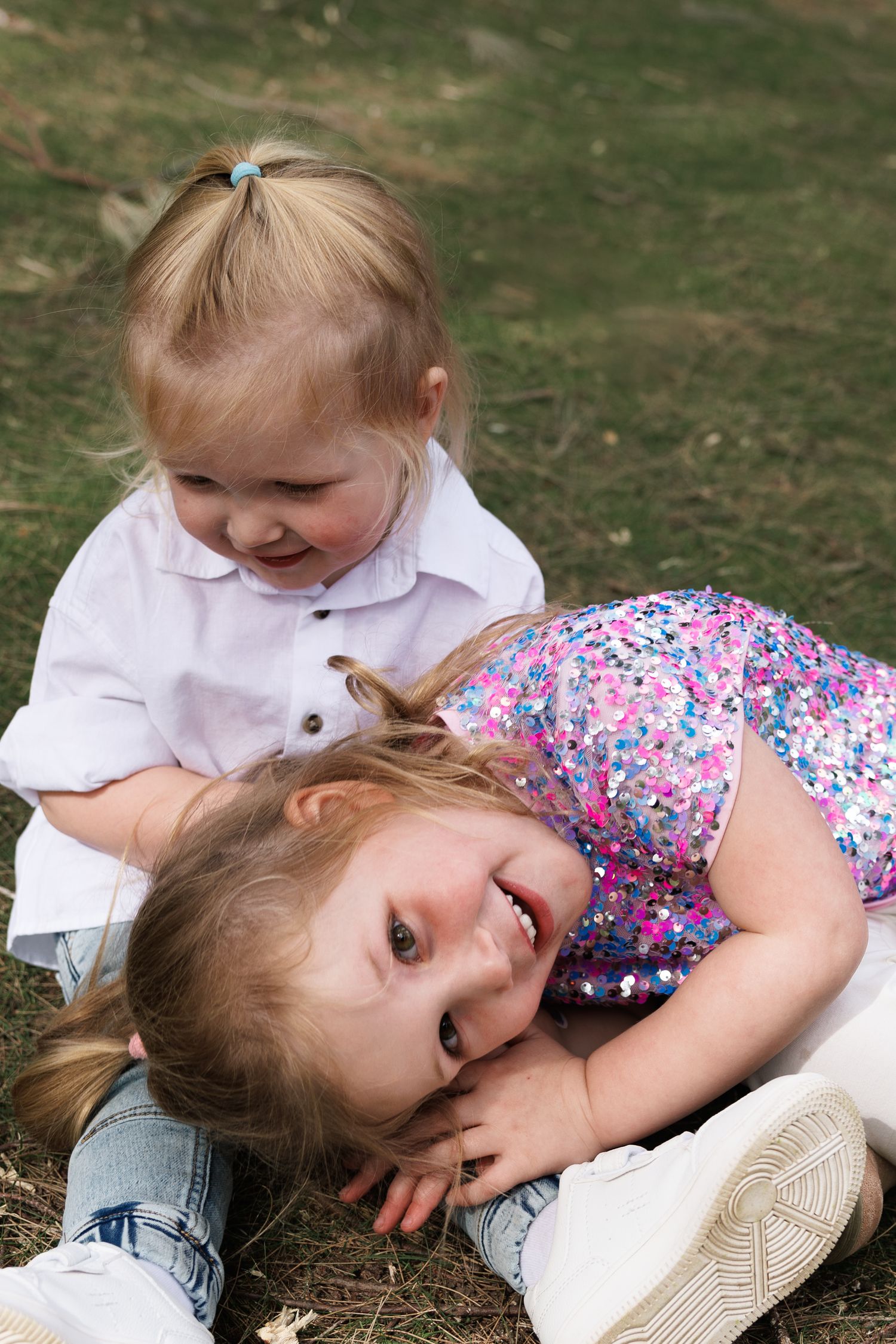
Portrait Fun: Take portraits of family members and pets. Ask your child to focus on expressions and feelings. They could take silly faces, happy moments, or even quiet, thoughtful expressions. This will help them understand how photos can show emotion.
7. Review and Share the Photos
Once your child has snapped some photos, sit down together to talk about their work. This is an important step in their learning process.
Encourage Positive Feedback: Highlight what they did well – maybe they captured a unique angle or had a creative composition.
Discuss What You could do together next time: If they took a blurry photo or cut something out of frame, discuss how they could do it differently next time.
8. Make It a Routine!
The beauty of photography is that it doesn’t require fancy equipment or expensive tools. With a bit of practice, your child can develop a deep appreciation for creativity, attention to detail, and storytelling.
Consider making photography a regular activity. You could go on weekend photo walks, or challenge them to take a photo each day. As they grow, you’ll both be amazed by how their photography skills evolve.
Final Thoughts
Photography is not only a great way for your child to learn about creativity and composition, but it’s also a fun way to hang and make memories together. With just a little guidance and plenty of encouragement, you can help them see the world in a whole new light, one picture at a time.
So grab a camera, get out there in the gorgeous nation's capital, and start capturing those moments – you’ll be amazed at what you both create!
xx Elle
Interested in a photo session with me? I'd love to hear from you!
ellenjunephotography@gmail.com

Big red fire truck
"I'm going to take a photo of my big red fire truck",.
Unedited photo taken with the Canon EOS R and 85mm 1.6 by Leo, 4 Years.
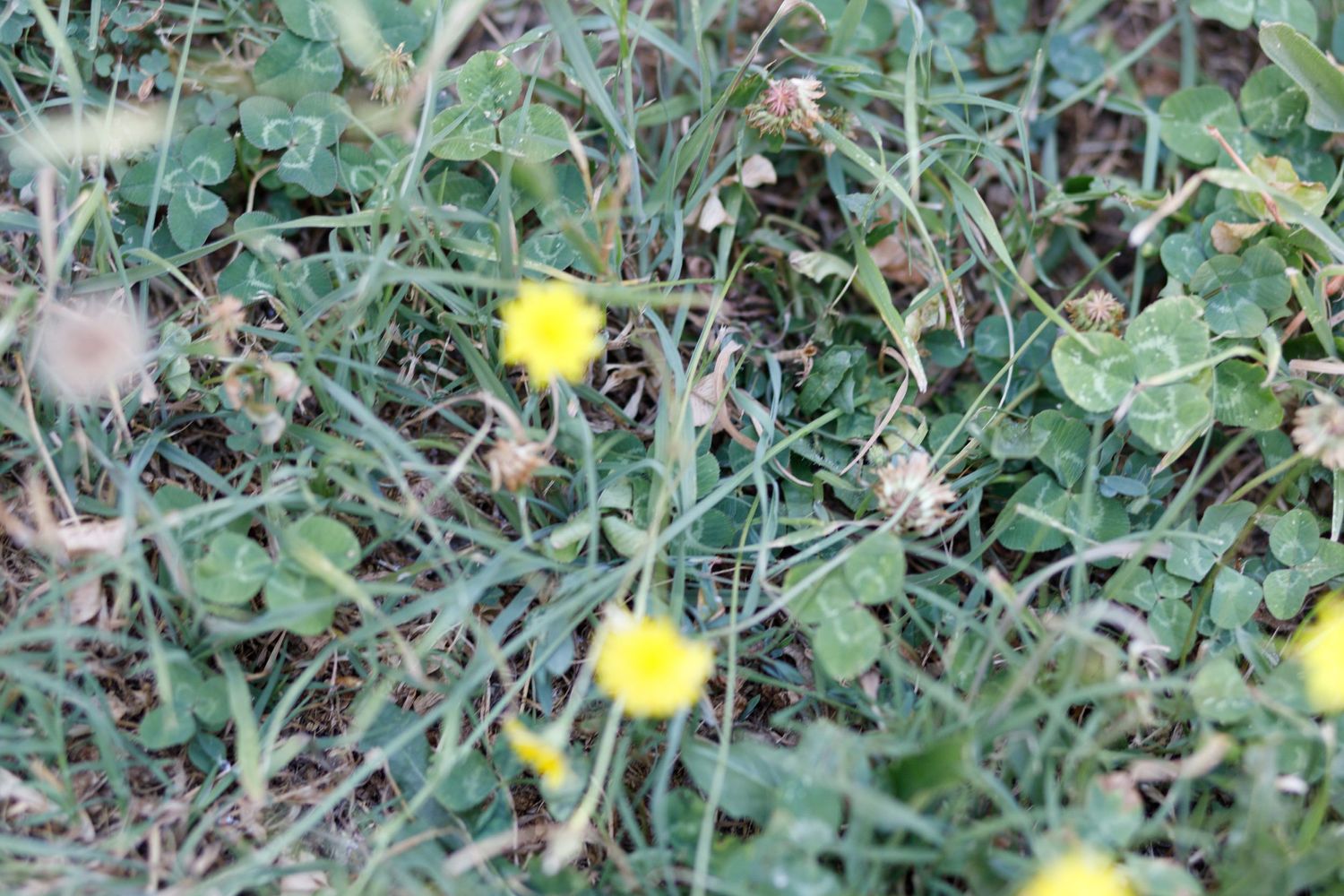
Dandelions galore
We found a patch of dandelions in our yard, and I watched quietly as Leo manoeuvred his body closer, then further away from the flowers. He then clicked the shutter button, stepped forward, and did it again.
Unedited photo taken with the Canon EOS R and 85mm 1.6 by Leo, 4 Years.
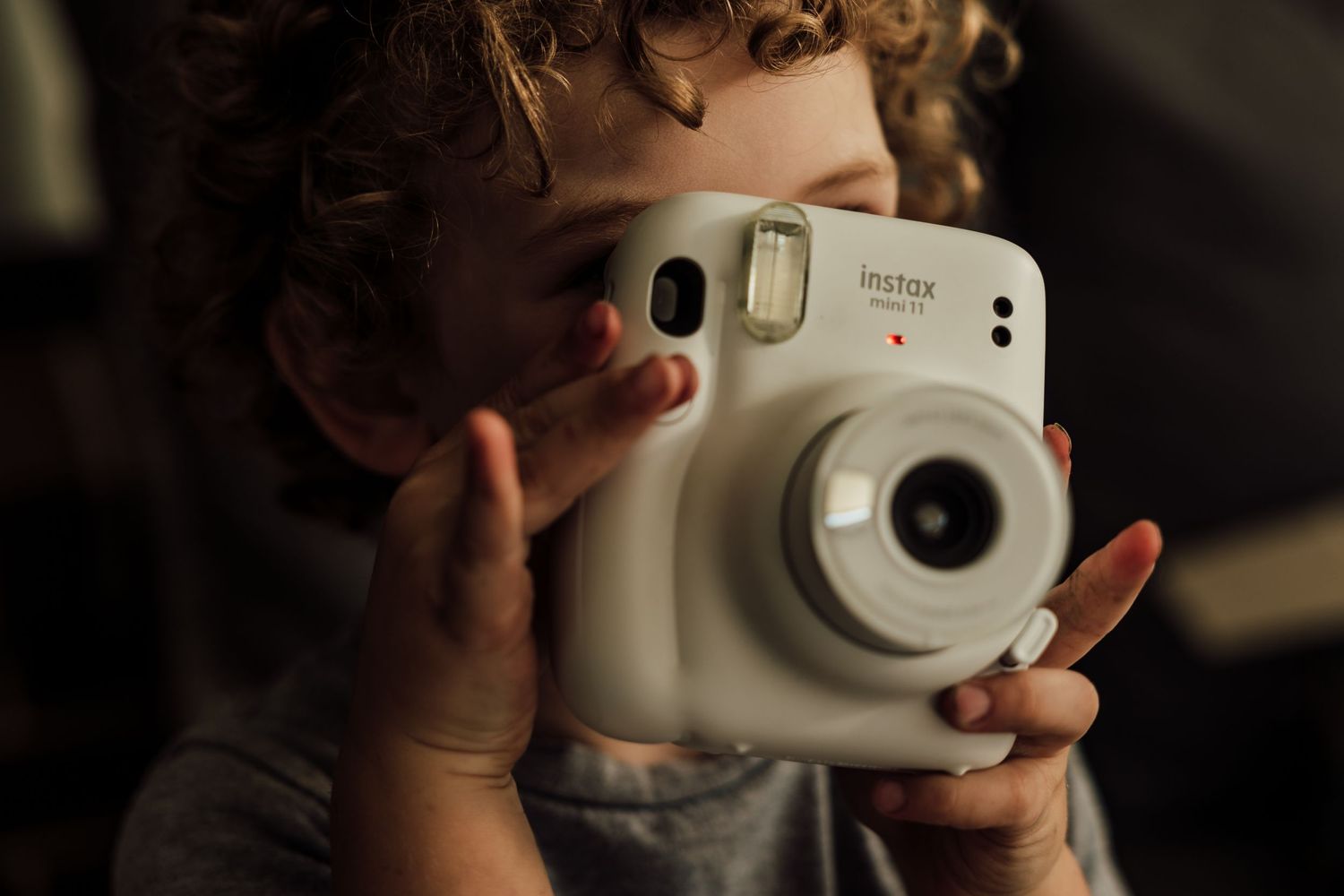
FujiFilm Instax Mini
This is a great camera for children, teens, and adults. It's fun and satisfying to see the image print in front of your eyes.
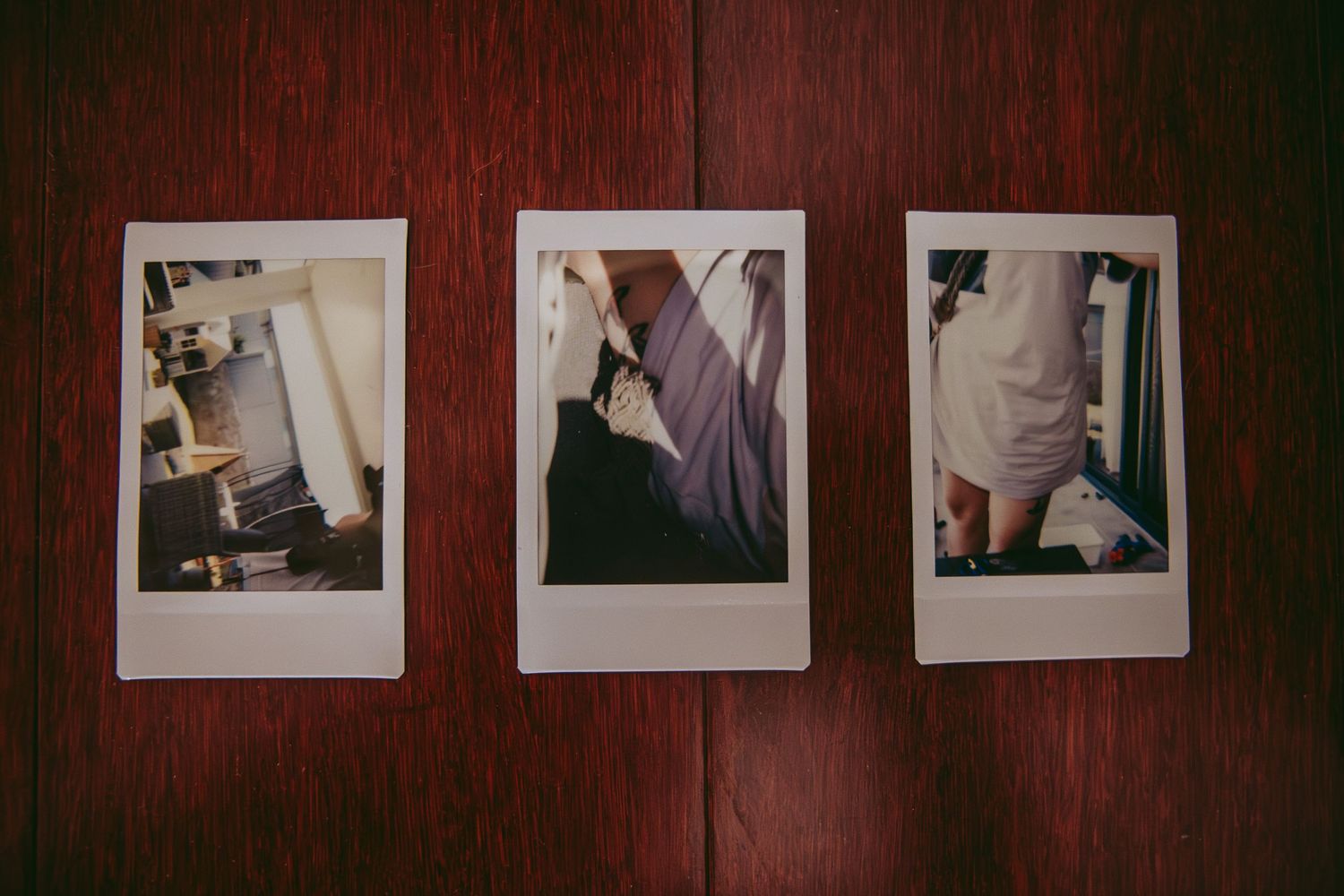
Leo tries the FujiFilm Instax Mini
Leo loved the Instax mini camera. He watched in awe as the film printed and developed in front of his eyes.
3 x FujiFilm Instax Mini images taken by Leo, 4 years.